


Chargement de la vidéo...
Transport
Modern and sustainable transport infrastructure
The Path of Evolution
The transportation industry is a fascinating and dynamic environment that will never stop expanding. As with any project, regardless of industry, technical, budgetary and schedule constraints are omnipresent. However, additional challenges related to politics, logistics and urban planning will be added here.
Upcoming demographic changes, such as population aging and movements between cities and suburbs, will require new air, rail and road infrastructure and most likely new assembly/production facilities.
Loving to take on great challenges, our project managers are not afraid to get involved in large-scale projects. On the contrary, the complexity of a project only adds to the stimulation of our seasoned managers. Contact us!
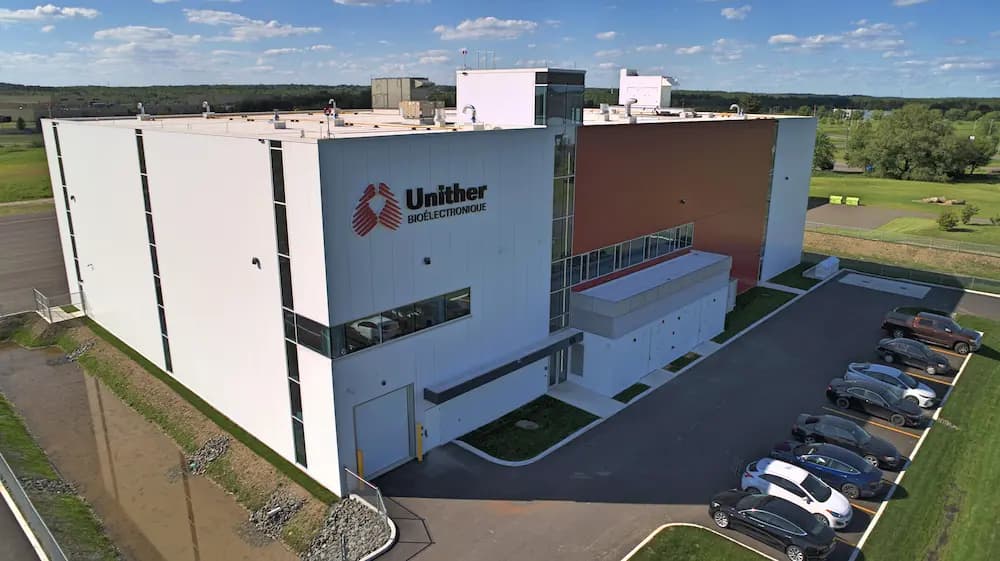
UNITHER BIOELECTRONICS
Bromont, Quebec, Canada
Socanin contributed to the implementation of an EVTOL aircraft transformation hangar along the Bromont runway. This pilot plant has the vision of transporting human organs to patients across North America using drones. A stimulating project for a noble cause, a source of pride for the Socanin team.
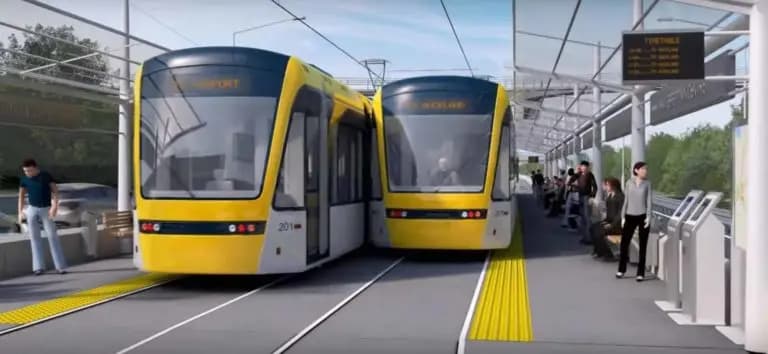
CDPQ-INFRA
Auckland, New Zealand
The implementation of the $4 billion light rail transit (LRT) system project was consistent with an environmental vision of public transportation and Socanin's fundamental values. Our extensive experience with our business partners and our knowledge of implementing multiple LRT projects worldwide were leveraged. This effort with CDPQ-infra spanned three (3) years and was instrumental in Auckland's LRT candidacy.
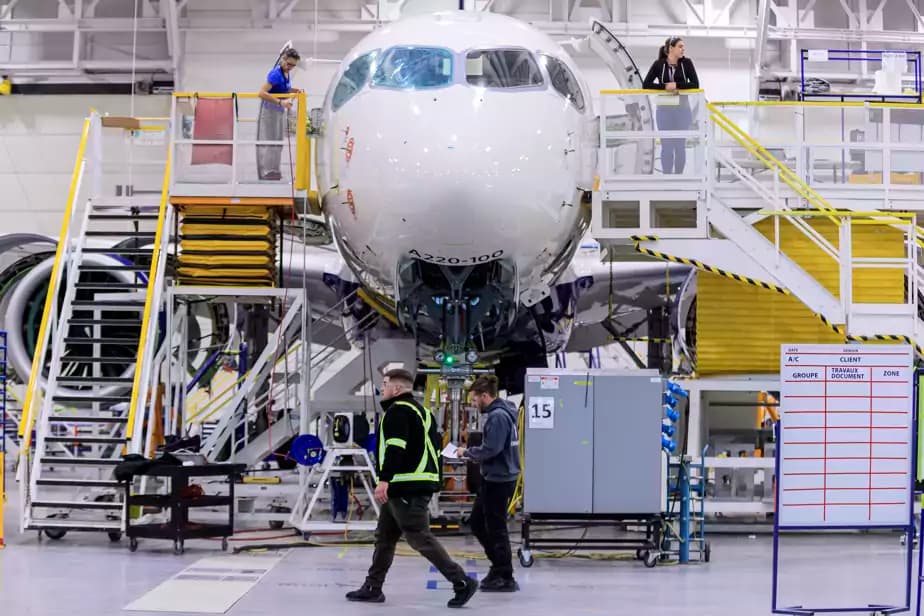
AIRBUS
Mirabel, Quebec, Canada
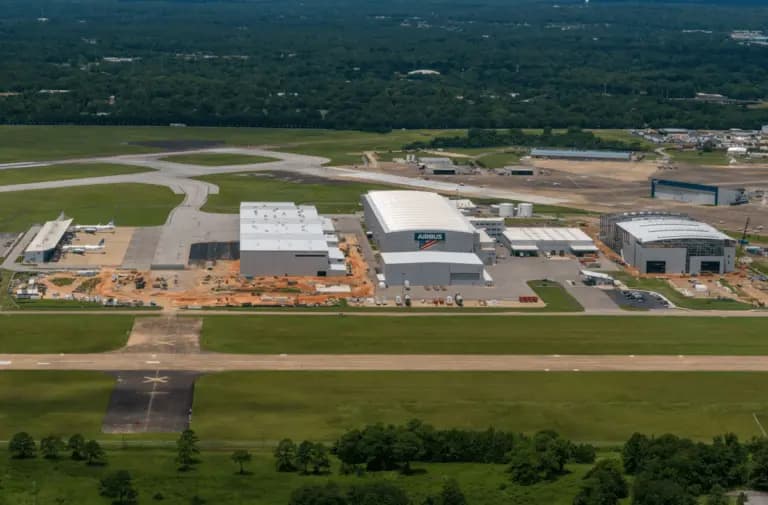
Airbus focused on building a pre-assembly line to accelerate the production rate of the A220. The project named pre-FAL allowed for the installation of electrical wiring, flooring and other modules in the fuselages, which would then be transferred to the A220 assembly lines. The objective of pre-assembly was to make the program profitable. To achieve this, Airbus mandated Socanin to support them in project management, risk minimization and construction management. Several members of the Socanin team contributed to the project's success over 2 years. The project included dismantling Bombardier's CRJ line, setting up the pre-assembly line and building a cafeteria. Several challenges arose during the mandate; the competence of various stakeholders, teamwork and everyone's open-mindedness were elements that made it a "success story". Furthermore, this project helped protect jobs in Mirabel while the aviation sector experienced difficult times during the pandemic.
BOMBARDIER / AIRBUS
Mobile, Alabama
Bombardier needed rapid support in the technical definition and configuration of its new FAL (Final Assembly Line) project in Mobile, Alabama, to accelerate production of the A220 aircraft family. This situation was motivated by the different American commercial tariff at the time. Socanin's technical knowledge regarding the definition and initial requirements of the scope, construction feasibility, project estimation and execution schedule allowed them to follow a clear and rapid path.
BOMBARDIER AERONAUTICS
Mirabel, Quebec, Canada
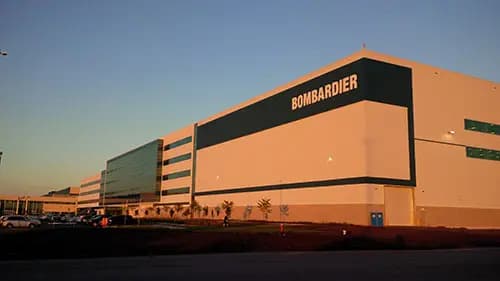
Bombardier Aeronautics expanded its existing facilities in Mirabel to include the new CSeries production campus. The project involved building a new facility and integrating it with the existing plant. The work included: • New CSeries production campus; • Electrical and mechanical modernization of CIASTA (Complete Integrated Aircraft Systems Test Area); • Electrical improvements (XP) to hangar Y and FTV (Fly Test Vehicle) assembly center; • Integration of CSeries campus with existing plant (partial upgrades to electrical and mechanical standards of existing facility); • Construction of validation laboratory. Socanin's mandate began at a critical moment during the detailed engineering/procurement and construction phases. Socanin was mandated to perform audits and lead various project teams. Socanin was responsible for project cost and schedule control, administration of all contracts, engineering and design follow-up, claims resolution management and general construction management. The focus on priorities helped restore confidence between the internal team, contractors and professionals involved. This orientation led to an improved work environment that was a key factor and allowed the project to be delivered on time and within the initial budget.
HONG KONG INTERNATIONAL AIRPORT
China (Hong Kong)
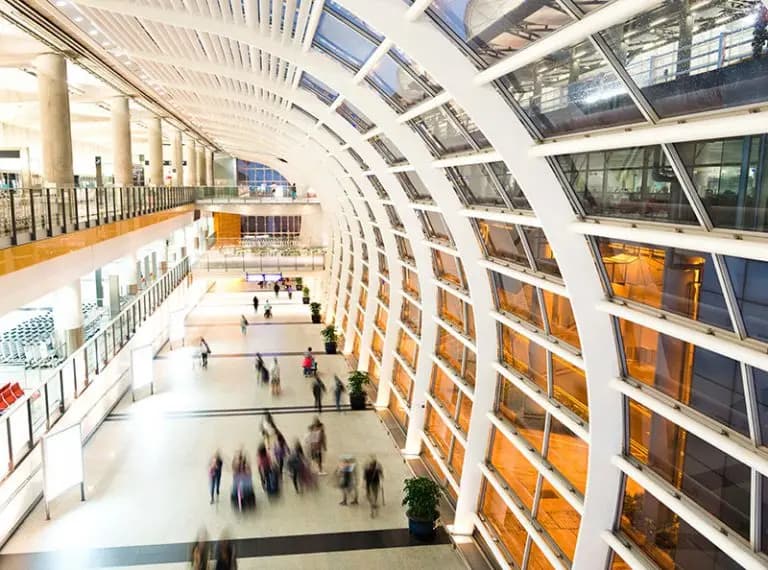
Positioned to serve the Asia and Oceania region, Hong Kong International Airport projects passenger traffic of eighty million per year by 2040 – the same number as Heathrow (London) and John F. Kennedy (JFK – New York), combined. Management and supervision services for the finishing of terminal T1 (570,000 m²) at Hong Kong International Airport were provided as part of the realization of one of the world's most important airports.
KWAI CHUNG VIADUCT
China (Hong Kong)
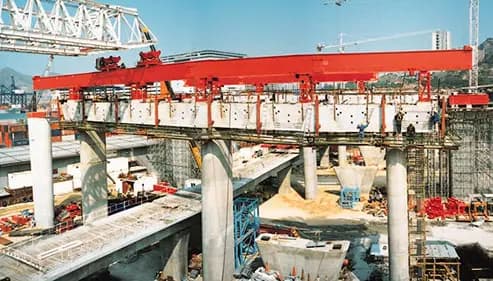
Socanin was part of the owner's team and provided supervision services for the construction of the Kwai Chung viaduct and a section of Route 3, which connects Hong Kong Island and the Kowloon Peninsula to Hong Kong International Airport and the mainland. The Kwai Chung project, valued at over $600M, extended 3 km and crossed the Kwai Chung container port to reach West Kowloon. The deck measures 40 m on average but can reach up to 60 m at junction levels with ramps. It consists of 100 spans, generally 35 m long, manufactured from precast "U" beams and erected by specially designed launching equipment to cover the spans.